UN Plans Sailor Evacuation in Strait of Hormuz Amid US Warning to Iran
The United Nations has announced its intention to evacuate sailors who have become stranded in the Strait of Hormuz, a critical international waterway. This development unfolds against a backdrop of heightened geopolitical sensitivities in the region, particularly following a strong warning issued by US Secretary of State Marco Rubio to Iran regarding maritime transit fees.
According to an RSS Wire report, Secretary Rubio explicitly cautioned Iran that no country possesses the right to impose charges for ships traversing the Strait of Hormuz. This statement underscores the international community's emphasis on the principle of freedom of navigation through vital maritime chokepoints.
International Concerns Over Maritime Transit
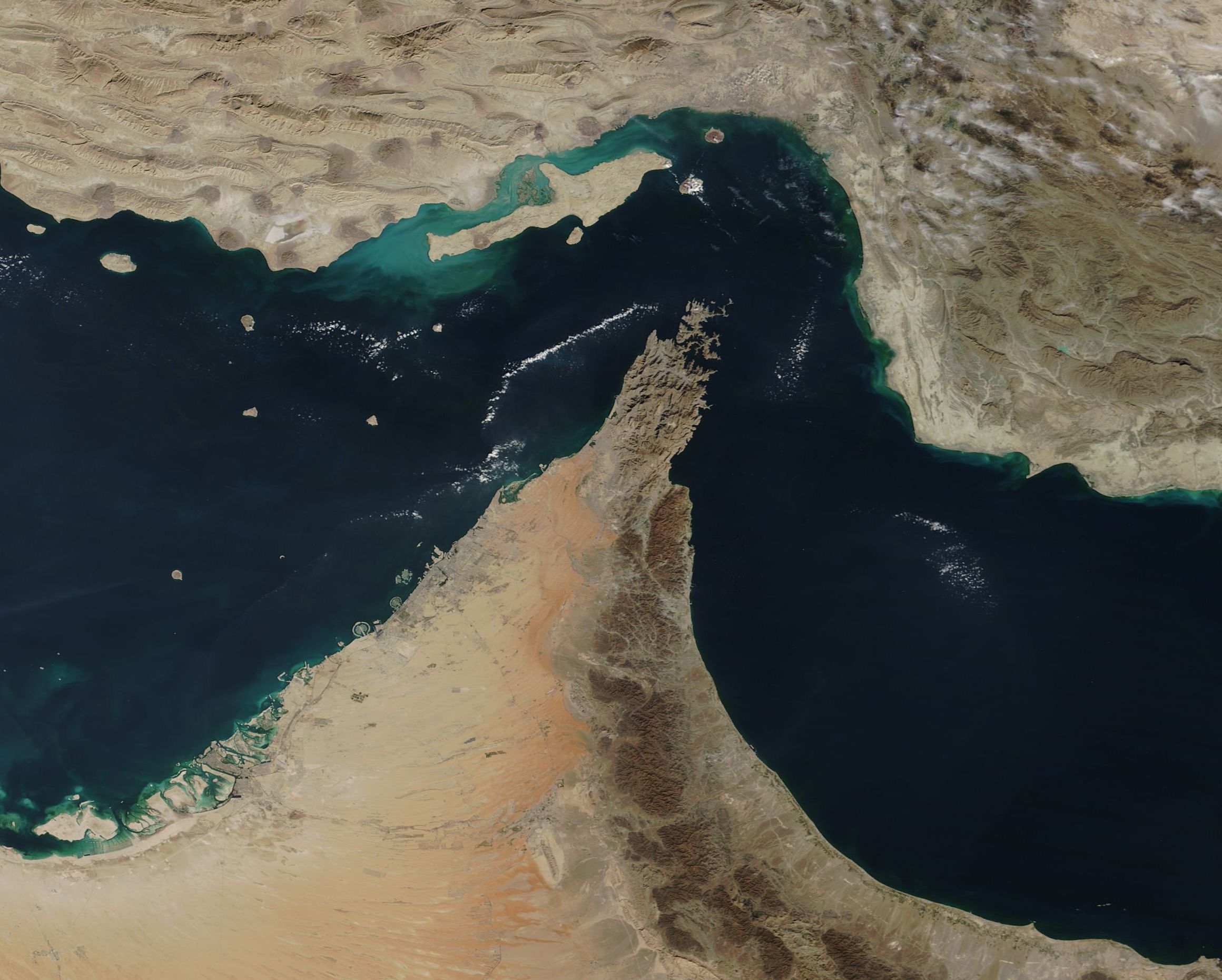
The Strait of Hormuz is one of the world's most strategically important waterways, connecting the Persian Gulf with the Arabian Sea and the Gulf of Oman. A substantial portion of the world's seaborne oil supply, along with significant volumes of liquefied natural gas (LNG), passes through this narrow strait daily. Any perceived threat to free passage or attempts to levy unauthorized tolls can trigger immediate international concern due to the potential impact on global energy markets and international trade.
Secretary Rubio's warning, as reported by the RSS Wire, directly addresses the notion that any single nation could unilaterally implement fees for transit. This position aligns with established international maritime law, which generally upholds the right of innocent passage through international straits, provided that passage is continuous and expeditious and does not prejudice the peace, good order, or security of the coastal state.
The Role of the United Nations
The United Nations' decision to evacuate stranded sailors highlights the humanitarian dimension of maritime incidents in complex geopolitical environments. While the specific circumstances leading to the sailors' stranding were not detailed in the available information, such situations can arise from various factors, including mechanical failures, legal disputes, or regional tensions affecting vessel operations. The UN's involvement typically aims to ensure the safety and well-being of seafarers, often coordinating with relevant national authorities and international maritime organizations.
The announcement from the UN, alongside the US Secretary of State's remarks, places the Strait of Hormuz firmly in the international spotlight. The strait has historically been a flashpoint for regional and international tensions, with various incidents over the years involving commercial shipping and naval forces. The United States and its allies have consistently advocated for unimpeded navigation through the strait, viewing it as essential for global economic stability and security.
Geopolitical Implications
Rubio's warning to Iran can be interpreted as a reaffirmation of the United States' commitment to upholding international maritime norms and deterring any actions that could be seen as an attempt to exert undue control over the strait. While the RSS Wire report did not provide specific details on what prompted Rubio's warning, it signals a proactive stance against potential challenges to established maritime freedoms.
The broader context of the region includes ongoing geopolitical rivalries and varying interpretations of international law and sovereignty. Different governments may hold differing views on the extent of their jurisdiction or the applicability of certain international conventions in specific waterways. However, the principle of freedom of navigation through international straits is widely recognized as fundamental to global commerce and security.
As the UN proceeds with its evacuation efforts, the international community will likely continue to monitor developments in the Strait of Hormuz closely. The interplay between humanitarian concerns, maritime law, and geopolitical posturing remains a defining feature of this critical global chokepoint.