UK Fighter Jets Intercept Russian Aircraft Over Norwegian Sea, Activity Deemed 'Unsafe'
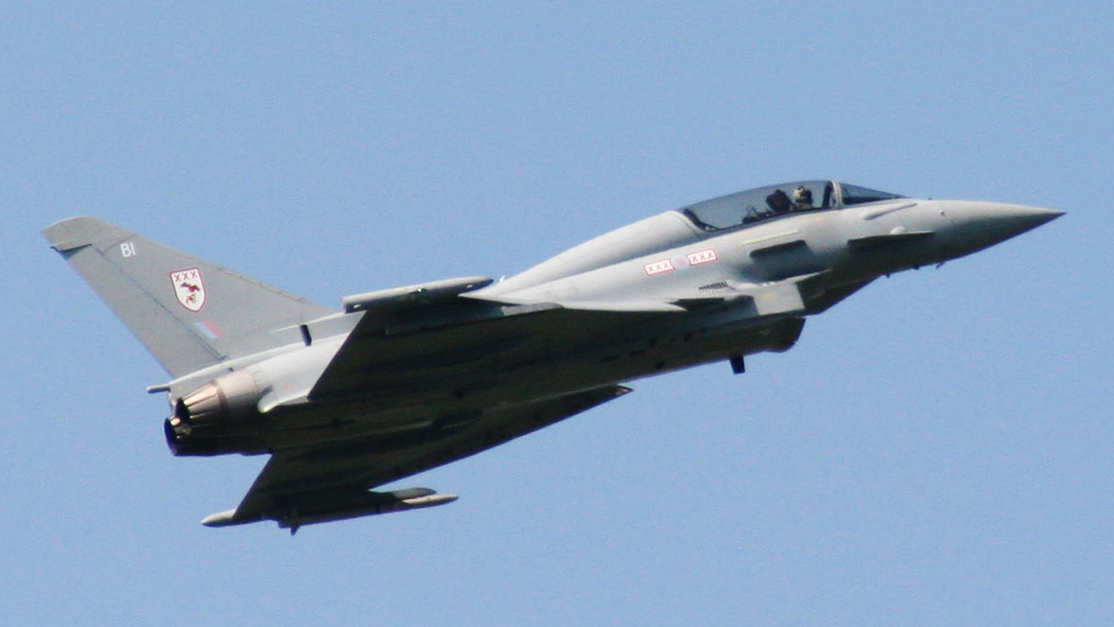
Royal Air Force (RAF) Typhoon fighter jets were scrambled to intercept a Russian Tu-142 'Bear-F' maritime patrol aircraft operating in international airspace over the Norwegian Sea, an RSS Wire report indicated. The UK Ministry of Defence has described Moscow's activity during the incident as "unsafe" and "unprofessional."
Interception Details
The interception involved RAF Typhoon jets, which are multi-role combat aircraft designed for air policing and air superiority missions. The Russian aircraft, identified as a Tu-142 'Bear-F,' is a long-range maritime patrol and anti-submarine warfare aircraft, a variant of the Tu-95 'Bear' bomber. These aircraft are known for their ability to conduct reconnaissance and surveillance missions over vast oceanic areas.
The incident took place in international airspace over the Norwegian Sea. This region is considered strategically important due to its proximity to NATO member states and its role as a transit route for naval operations in the North Atlantic.
Ministry of Defence Assessment
According to the RSS Wire, the UK Ministry of Defence issued a statement regarding the encounter, labeling Moscow's activity as "unsafe" and "unprofessional." While the specific details leading to this assessment were not elaborated upon in the provided information, such characterizations typically refer to actions that could potentially endanger other aircraft, disregard international aviation safety standards, or demonstrate a lack of professional conduct by aircrew.
Incidents involving Russian military aircraft operating near the airspace of NATO member states are not uncommon. NATO air forces regularly conduct intercepts to identify and monitor non-NATO aircraft flying in international airspace close to alliance territory. These operations are part of routine air policing missions aimed at ensuring the security and integrity of European airspace.
Broader Context of Air Policing
The interception over the Norwegian Sea is part of a broader pattern of air policing activities conducted by NATO members. These missions serve to maintain situational awareness and respond to any potential incursions or unusual flight patterns. While intercepts are standard procedure, the UK Ministry of Defence's specific characterization of the Russian activity as "unsafe" and "unprofessional" suggests a deviation from expected international aviation norms during this particular encounter.
NATO allies, including the UK, routinely deploy fighter jets from various airbases to monitor Russian military flights. These flights often include long-range bombers, maritime patrol aircraft, and reconnaissance planes. The intercepts are typically conducted in a professional manner, with the intercepting aircraft identifying the foreign plane and monitoring its trajectory until it leaves the area of interest.
Regional Significance
The Norwegian Sea is a critical area for both NATO and Russia. For Russia, it provides access to the North Atlantic and is vital for its naval operations. For NATO, it represents a key maritime domain that must be monitored to ensure the security of its northern flank and transatlantic sea lanes. The presence of Russian maritime patrol aircraft in this region is therefore closely watched by allied forces.
This latest interception underscores the ongoing vigilance required by NATO air forces in monitoring Russian military movements. While the UK Ministry of Defence's statement highlights concerns about the conduct of the Russian aircraft, the incident remains within the established framework of military interactions in international airspace, albeit with a notable diplomatic assessment of the Russian activity.
Such events serve as a reminder of the continuous efforts by NATO member states to maintain security and stability in the European theatre through air policing and surveillance operations, ensuring that international airspace regulations are observed and potential threats are identified and monitored.